
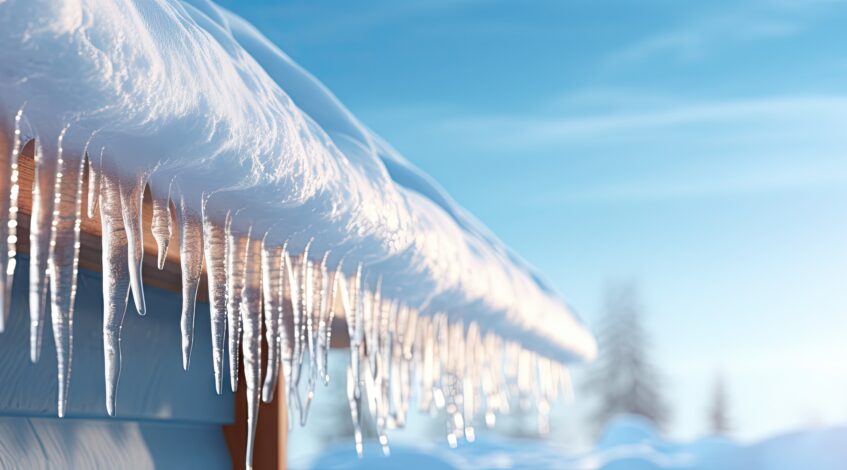
When the temperature drops, your home’s exterior faces a new set of challenges—especially your gutters. If they’re not properly prepared, cold weather can lead to ice dams, cracks, and costly water damage.
The good news? With a few key steps, you can winterize your gutters and protect your home before the first hard freeze hits.
Why Winterizing Gutters Is Important
Cold weather can wreak havoc on unprepared gutter systems. Some common winter problems include:
- Ice dams that trap water and lead to roof leaks
- Frozen clogs from leftover debris
- Cracked or sagging gutters from ice buildup
- Water damage to siding, eaves, and foundations
Winterizing your gutters prevents these issues and extends their lifespan.
Step 1: Clean Out All Debris
Before freezing temperatures arrive, make sure your gutters are clear of:
- Leaves
- Twigs
- Dirt
- Roofing granules
Clogs can trap water, which freezes, expands, and damages your gutters and roofline. Clean both gutters and downspouts thoroughly.
Step 2: Flush the System with Water
After removing debris, use a garden hose to:
- Flush out leftover residue
- Check water flow through the downspouts
- Identify any leaks or drainage issues before winter sets in
If water isn’t flowing properly, investigate the blockage or call a pro to inspect.
Step 3: Inspect for Damage and Make Repairs
Look for signs of wear and tear, including:
- Loose brackets or screws
- Cracks, holes, or rust
- Sections pulling away from the house
Fix any issues now—cold weather can make minor problems worse and harder to repair later.
Step 4: Install Gutter Guards (Optional but Helpful)
Adding gutter guards before winter can:
- Prevent new debris from entering the system
- Reduce the chance of blockages that lead to ice dams
- Cut down on future cleanings
Choose a model that works well in cold climates and allows proper water flow.
Step 5: Check Roof and Attic Ventilation
Poor attic ventilation can cause snow on the roof to melt unevenly, contributing to ice dams. Make sure:
- Your attic is well insulated
- Vents are clear and functional
- Warm air isn’t escaping through the ceiling and warming the roof
Step 6: Direct Downspouts Away from the Foundation
Downspouts should extend at least 4 to 6 feet away from your home’s foundation to prevent water pooling and freezing near the base.
Add extensions or splash blocks if necessary.
Final Thoughts
Winterizing your gutters doesn’t take long, but it makes a huge difference in protecting your home from seasonal damage. With a little proactive care, you’ll avoid costly repairs and ensure your gutters are ready to handle snow, ice, and rain all winter long.