
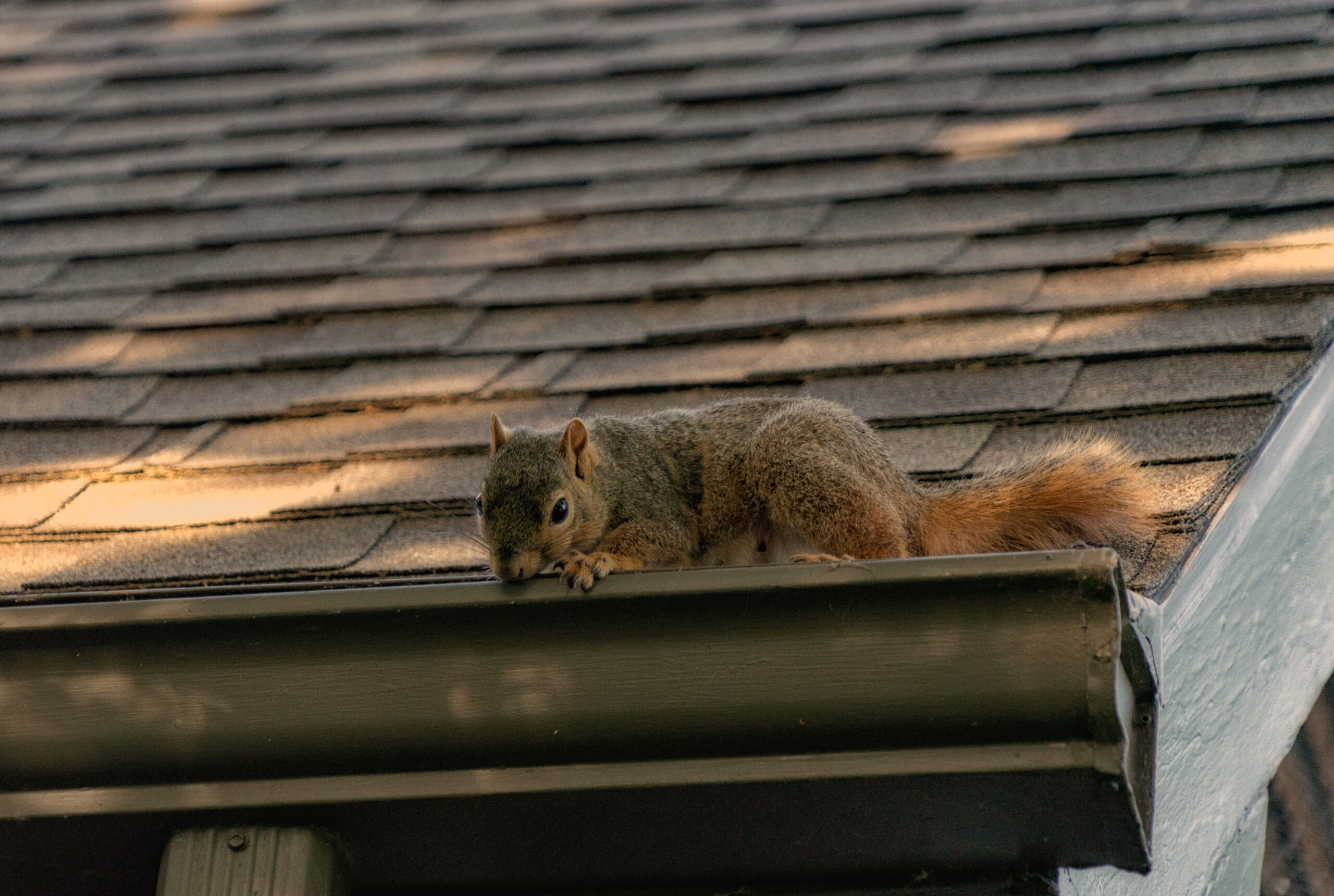
Your gutters are designed to move rainwater away from your home—not to be a cozy home for pests. But for birds, rodents, insects, and even snakes, a cluttered gutter can look like prime real estate. If left unchecked, these unwanted guests can cause clogs, damage your gutters, and even lead to infestations inside your home.
Let’s look at how to keep animals and insects out of your gutters—and why it’s so important to do so.
Common Gutter Invaders
You might be surprised at who’s been lurking in your gutter system. The most common intruders include:
- Birds: Nest in clogged gutters, especially in spring and summer
- Squirrels and rodents: Use gutters to travel across roofs or build nests
- Mosquitoes: Breed in standing water caused by clogged drains
- Wasps and bees: Build nests under eaves or in gutter corners
- Snakes: Sometimes follow rodents or birds into gutters
These pests can lead to water overflow, chewing or scratching damage, and even health concerns.
How to Keep Pests Out of Your Gutters
1. Clean Your Gutters Regularly
Clogged gutters are the number one reason animals move in. Leaves, twigs, and standing water create the perfect habitat for nesting and breeding. Clean at least twice a year—more if you have overhanging trees.
2. Install Gutter Guards
Gutter guards, screens, or covers act as a physical barrier, keeping debris and critters out while still allowing water to flow through. Choose a design that suits your roof type and the kind of pests common in your area.
3. Trim Overhanging Branches
Tree limbs that hang over your roof make it easy for animals to access your gutters. Trimming branches back at least 6 feet away from the roof helps deter squirrels, raccoons, and birds.
4. Check for Standing Water
Standing water is an open invitation for mosquitoes. If you see water pooling in your gutters, it could mean they’re clogged or not pitched properly. Clean them out and adjust the slope as needed.
5. Seal Entry Points Around the Roof
Inspect your fascia, soffits, and attic vents for any openings that animals could use to get from the gutter into your home. Seal up any gaps and install mesh where necessary.
6. Deter Nesting with Repellents
You can use motion-activated devices, non-toxic sprays, or even reflective tape near gutters to scare off birds and rodents. These solutions are especially useful during nesting season.
Signs You May Already Have a Problem
- Animal sounds (scratching or scurrying) in your gutters or attic
- Nesting material visible in or near your gutters
- Water overflowing from the gutters during rain
- Unusual insect activity near the roofline
If you notice any of these signs, it’s time to clean and inspect your gutters—and possibly contact a pest control expert.
Final Thoughts
Your gutters are essential to your home’s water management system, and keeping them pest-free ensures they work properly. With just a little preventative effort—cleaning, guarding, trimming, and sealing—you can protect your home from clogs, damage, and infestations.