
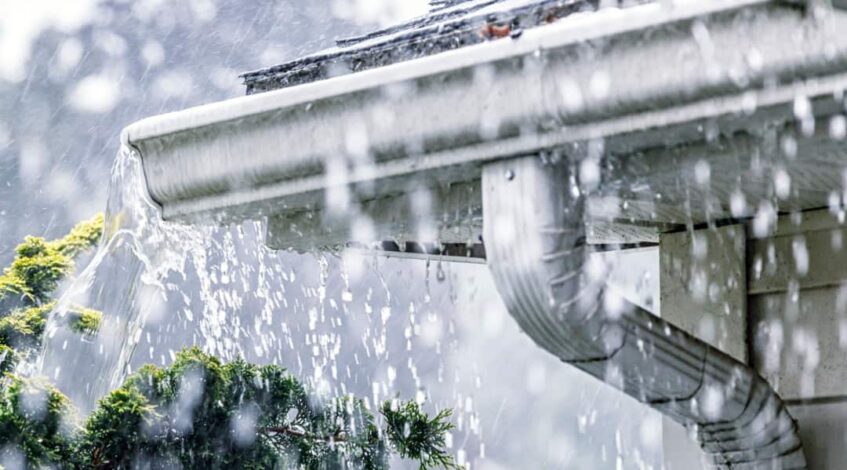
Storms can wreak havoc on your gutters, causing unseen damage that leads to leaks, clogs, or structural problems. Inspecting your gutters after severe weather helps catch issues early before they turn costly.
Here’s a step-by-step guide to inspecting your gutters post-storm.
1. Wait for Safe Conditions
- Don’t inspect gutters during or immediately after heavy rain or high winds.
- Wait for calm, dry weather and make sure ladders and roofs are safe to climb.
2. Check for Visible Damage
- Look for dents, cracks, holes, or sections pulling away from the house.
- Inspect downspouts for kinks, bends, or disconnections.
3. Look for Debris Buildup
- Clear out leaves, branches, and other debris that may have accumulated or been blown into gutters.
- Check for blockages in downspouts.
4. Inspect Water Flow
- Run water through your gutters using a hose to observe drainage.
- Watch for leaks, overflow, or slow drainage that indicates clogs or damage.
5. Examine Fascia and Soffits
- Check the boards behind gutters for water damage or rot caused by overflowing gutters.
- Look for peeling paint or mold growth.
6. Document Damage
- Take photos or notes of any issues to share with your insurance company or contractors if repairs are needed.
7. Call Professionals if Needed
- If damage is extensive, or you’re uncomfortable inspecting or repairing gutters yourself, hire a professional.
Final Thoughts
Storm damage can compromise your gutters’ ability to protect your home. Timely inspections and repairs keep your gutter system working properly and prevent water damage.
Need help assessing storm damage or finding reliable gutter repair services? Give us a call!